
 EN
EN



Recyclable Aramid Fabric for Sustainable Firefighter Gear
The Environmental Challenges of Traditional Aramid Fiber Production
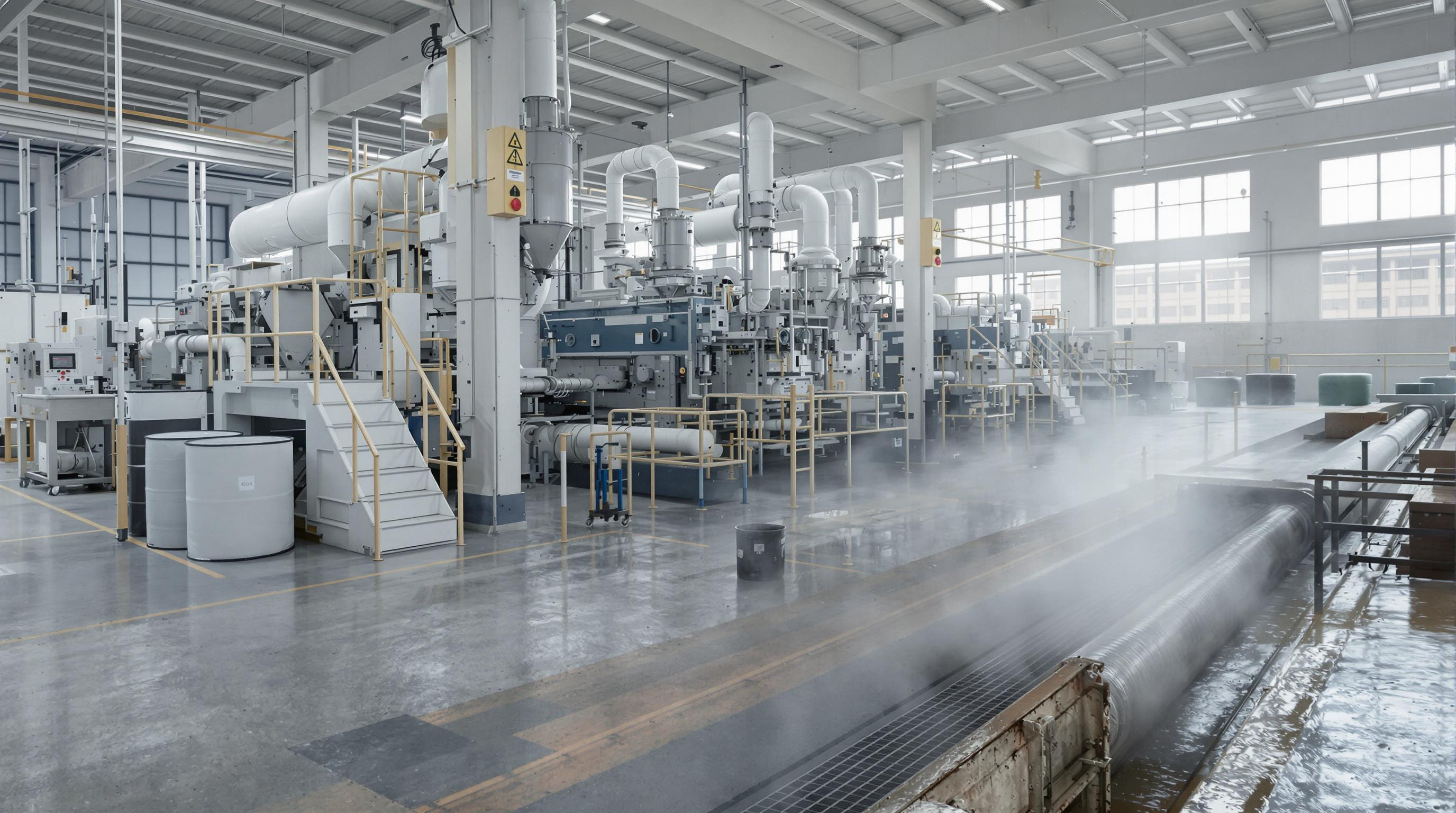
Traditional aramid fiber production faces mounting scrutiny as firefighting gear manufacturers confront its environmental legacy. While essential for thermal protection, conventional manufacturing methods create sustainability hurdles across three critical areas.
Environmental Concerns in Firefighter Clothing Manufacturing
The production of flame-resistant textiles consumes 150â200 liters of water per kilogram of fabric during dyeing and finishing. Chemical treatments containing perfluorinated compounds (PFCs) persist in ecosystems, with studies showing 87% of groundwater samples near textile plants contain detectable levels of these contaminants.
Carbon Footprint of Conventional Aramid Fiber Applications
High-temperature polymerization processes account for 68% of the sectorâs energy use, generating 8.2 kg of COâ‚ per kilogram of fiberâ40% more than nylon over equivalent lifecycles.
Non-Biodegradability and Waste Accumulation in Protective Clothing Materials
Decommissioned firefighting gear makes up 9% of annual textile landfill volumes, with aramid-based materials taking over 150 years to partially decompose. According to the Global Protective Textile Disposal Report, only 12% of retired PPE is recycled, contributing to 1.2 million metric tons of gear entering waste streams each year.
Recyclable Aramid Fabric: Merging Fire Resistance with Sustainable Innovation
Flame-Resistant Properties of Aramid Fibers in Eco-Friendly Configurations
Aramids that can be recycled still keep their fire resistant properties just like regular aramid fibers do, standing up to heat over 500 degrees Celsius without breaking down, all while using fewer petrochemical materials. Newer versions mix in bio based polymers made from things like castor oil, which comes from plants rather than oil wells. According to recent market research published last year, this switch cuts fossil fuel consumption around 40 percent. The way these fabrics are engineered combines old strengths with new recycling capabilities. Manufacturers create what they call hybrid materials that maintain how well they handle heat but also work better when it comes time to recycle them through special closed loop systems where waste gets turned back into usable product instead of ending up in landfills.
Innovation in Sustainable Firefighting Gear Through Hybrid Textile Engineering
Advanced engineering combines recyclable aramid fibers with plant-based materials such as flax and hemp. A 2023 pilot study found hybrid fabrics achieve comparable tear strength to conventional blends while reducing manufacturing emissions by 32%. Multi-layer designs now separate flame-resistant and moisture-wicking components, enabling targeted material recovery at end-of-life.
Sustainable Hybrid Textiles Combining Bio-Based and Recyclable Fibers
Leading manufacturers are developing fabrics with 50â70% bio-based content, incorporating:
- Recyclable aramid fibers processed via closed-loop solvent systems
- Chitosan coatings from crustacean shells for abrasion resistance
- Plant-based flame retardants that replace halogenated chemicals
This shift supports circular economy goals, with pilot programs recovering over 85% of fabric components for reuse.
Case Study: Recycled Aramid Blends in Next-Generation FR Garments
A 2024 trial by a European firefighting consortium tested gear made from 30% recycled aramid fibers. Performance remained uncompromised:
| Metric | Conventional Aramid | Recycled Blend |
|---|---|---|
| Thermal Degradation | 520°C | 515°C |
| Tensile Strength | 3.2 GPa | 3.1 GPa |
| End-of-Life Recyclability | 12% | 89% |
The design reduced raw material use by 28% per garment, with full-scale production planned by 2026. Driven by this success, the global recycled aramid market is projected to grow at 6.8% CAGR through 2030 (2024 Industry Sustainability Analysis).
Designing for the Circular Economy in Protective Clothing
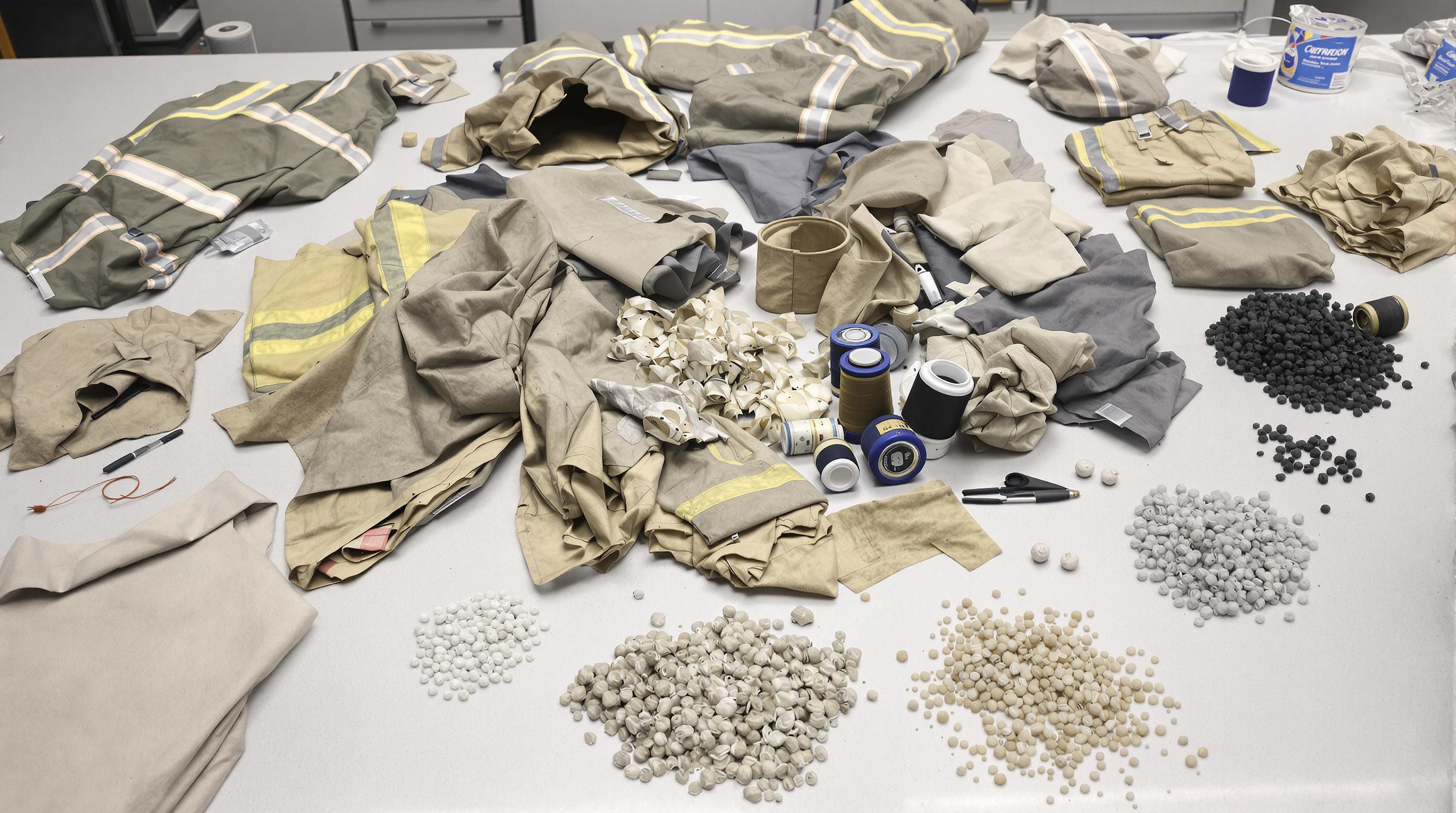
Circular Economy Principles in PPE Manufacturing
Protective clothing manufacturers are increasingly turning to circular economy models as they grapple with the staggering amount of textile waste worldwide - around 90 million tons every year according to recent estimates. The main approaches involve creating gear that lasts longer, making sure materials can be recovered after use, and finding ways to keep resources circulating rather than ending up in landfills. Research published last year showed something pretty impressive too: when companies reuse leftover fabric scraps from their cutting processes, they can actually redirect about 218 kilograms worth of material back into new products during each production cycle (as reported by ScienceDirect). This push toward sustainability matches up nicely with the European Union's ambitious plan for textiles, which wants all clothing made within its borders to contain at least half recycled materials by the end of the decade. We're seeing some interesting innovations already happening in the field as well. Many companies are developing protective suits using modular designs where different parts are made from single materials so workers can easily separate out components like aramid fibers for recycling purposes through special collection programs run by industries themselves.
Designing for Disassembly: Enabling Recyclable Aramid Fabric Recovery
Modern FR gear uses threaded connections instead of permanent adhesives, reducing disassembly time by 70%. Key innovations include:
- Color-coded stitching for rapid identification of recyclable components
- Pure aramid/polyamide blends compatible with chemical recycling
- RFID tags in seam allowances to guide automated sorting
These design changes increase high-performance fiber recovery from end-of-life garments to 92%, up from 35% in conventional PPE (ScienceDirect 2023). As global regulations target 100% recyclable protective equipment by 2035, manufacturers are deploying digital twin systems to model material flows and optimize recovery during design.
Eco-Friendly Manufacturing: Reducing Impact in Fire-Resistant Garment Production
Sustainable Workwear Materials and Low-Impact Production Methods
More and more manufacturers are turning to aramid fabrics that can be recycled when mixed with bio-based polymers. According to Textile Institute data from last year, this approach cuts down on new fossil fuel usage by around 38 percent. The industry has also made progress with waterless dyeing techniques and closed loop fiber processing methods that slash chemical consumption by as much as 60%, while still maintaining those important fire resistant properties. Looking at other innovations, some companies now use adhesives that don't require solvents for their layered materials. And there's been significant improvements in laser cutting technology too, which helps manufacturers save about 22% of materials that would otherwise go to waste during production runs.
Water and Energy Savings in Eco-Friendly Manufacturing Practices
Many modern manufacturing plants are seeing around 40 percent less water usage thanks to better dyeing processes and those fancy membrane filters that let them reuse about 90% of their wastewater. Some top facilities have managed to cut down their energy bills by roughly 25% since 2020 when they started installing those solar powered calendaring machines and got creative with heat recovery dryers according to recent research from Ponemon. Looking across Europe, we find that about one sixth of all fire-resistant textiles being made today rely on mixed energy sources like wind power combined with biogas. This approach has helped reduce reliance on traditional fuels by nearly a third during those intense heating processes needed for certain fibers.
Industry Trends and the Path to Carbon Neutrality in PPE
Carbon neutral goals in PPE manufacturing and their feasibility
The PPE sector is targeting carbon neutrality sometime around 2040 mainly by switching to renewable energy sources and implementing circular production methods. Research published last year laid out what they call a three stage plan for cutting down carbon output. According to this research, things like recovering solvents during manufacturing and using plant-based materials instead of traditional ones could cut emissions nearly in half. Most big players in the field are already getting serious about climate goals these days. Something like two thirds of leading manufacturers have adopted those Science Based Targets guidelines from the SBTi organization as part of their long-term strategy towards becoming carbon neutral.
Global adoption trends of recycled aramid fibers in protective gear
Europe leads in regulatory-driven adoption, with 78% of new EU contracts requiring sustainable materials. North American manufacturers are investing in hybrid production lines that blend recycled fibers with flame-resistant polymers, while Asia-Pacific markets leverage cost-efficient chemical recycling to meet rising demand for eco-certified PPE.
Regulatory drivers and sustainability certifications in firefighter clothing
New EU regulations mandate 30% recycled content in professional protective textiles, backed by certifications like OEKO-TEX® ECO PASSPORT for chemical safety. Manufacturers with ISO 14001 certification report 22% faster approval times for municipal contracts, creating strong incentives to adopt recyclable aramid fabric systems.
FAQ
What are the main environmental challenges of traditional aramid fiber production?
The main environmental challenges include high water and energy consumption, the use of harmful chemicals, a significant carbon footprint, and the non-biodegradability of the materials.
How are recyclable aramid fibers becoming more sustainable?
Recyclable aramid fibers use bio-based polymers and closed-loop systems to retain fire resistance while reducing reliance on petrochemicals, enhancing recyclability and cutting down waste.
What innovations contribute to sustainable firefighting gear?
Innovations include hybrid textiles that combine recyclable and plant-based fibers, modular designs that enable disassembly and recycling, and eco-friendly manufacturing techniques that save water and energy.
How do these changes impact the PPE industry?
These changes lead to more sustainable production methods, adherence to global regulations, reduced carbon emissions, and a shift toward a circular economy model, ultimately promoting growth in the recyclable aramid market.