
 EN
EN



Cut Resistant Fabric Engineering for Maximum Worker Safety
Fundamentals of Cut Resistant Fabric Technology
Slash resistant materials are critical components for preventing cuts and slashing in hazardous working industries such as manufacturing and construction. Built to withstand punctures and scrapes, they guard employees from cuts that are caused by sharp tools or equipment. Their significance is emphasized by strict safety standards worldwide and increasing attention for the prevention of accidents at work. The newer ones have added several protective barriers, such as the density of the material and the blending of the fibers, that will prevent the blade from penetrating you even if it does not reach your skin.
Machinery materials include aramid fiber, UHMWPE and steel, with high strength-to-mass ratios. Material and performance will guide the selection based on desired protection levels and application environments—UHMWPE provides chemical resistance and steel maximum resilience, for example. With advancements in materials comes a greater focus on comfort... whilst maintaining safety. Occupational safety studies show that plants using engineered fabrics had 22% fewer cut injuries per year.
Innovations continue to expand functionality while addressing emerging needs. Research explores smart textiles with integrated sensors and sustainable production methods, signaling transformative shifts in protective gear development. A recent industry assessment confirms growing demand for customizable solutions across sectors requiring precise safety certifications, from food processing to emergency services.
Evolution of Cut Resistant Fabric Standards: A2-A3 to A4-A6 Transition
Key Drivers Behind Higher Cut Resistant Fabric Protection Levels
Breakthroughs in material science and industrial hazard information lead to the demand of the more efficient cut resistant fabric protection. With 68% of serious injury caused when lower-rated PPE succumbs to modern tools such as carbide blades, science corroborates the need for standards development. Durable engineering grade polymers such as UHMWPE can now be used to create stronger, yet lighter weight options which decrease operator fatigue during prolonged use.
Industry Impact Analysis: Compliance Challenges and Solutions
Transitioning to A4-A6 standards requires retooling PPE inventories and retraining workers—particularly in small-scale manufacturing where compliance costs averaged $740k last year. Leading solutions include staggered certification timelines from global standards bodies and government tax incentives. Blockchain traceability systems have emerged as verification tools, reducing documentation overhead by 40%.
Case Study: Manufacturing Adoption Rate of A6 Resistant Fabric
Automotive manufacturers show the fastest A6 fabric adoption; 62% integrated it into high-risk assembly roles within 18 months of standard revisions. Conversely, textile sectors lag at 12% penetration due to cost barriers and perceived comfort compromises. Facilities that prioritized modular upgrades saw 80% faster ROI by targeting critical workflows first.
Controversy Analysis: Cost vs Safety in Advanced Resistant Fabric Implementation
The A6 implementation debate centers on marginal risk reduction versus 300% cost premiums versus A4 materials, igniting industry disputes. Opponents argue limited high-risk scenarios warrant A6, while advocates highlight its 98% cut prevention rate versus A3's 76%. Regulatory bodies now advocate task-based PPE matrices to optimize safety investments.
Performance Evaluation Metrics for Cut Resistant Fabric
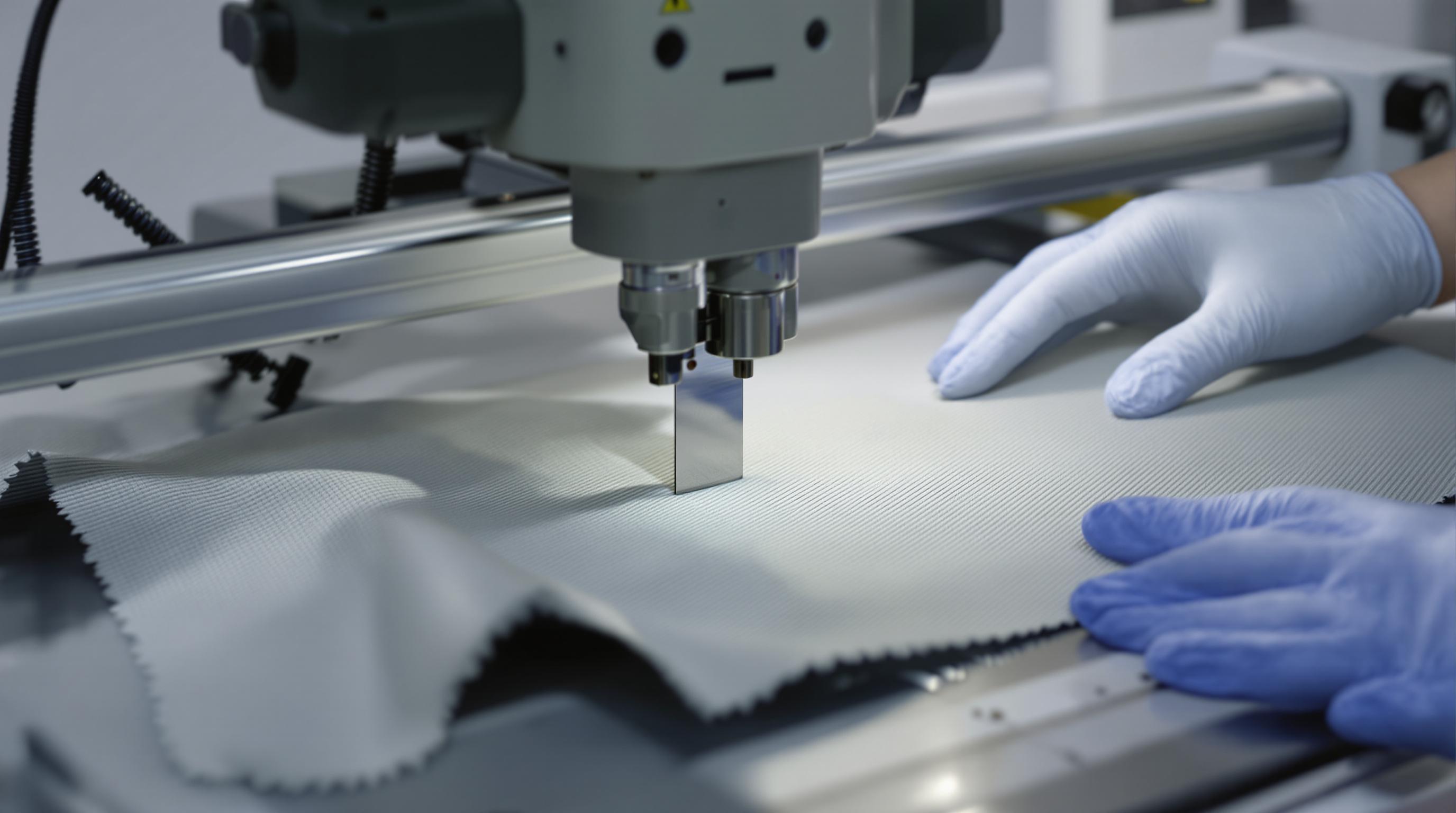
Force Dynamics: Engineering Against Variable Cutting Pressures
Force dynamic of the cut resistant fabric in numbers on how the fabric endures a varying amount of blade pressure. Base protocols do not replicate known measures: for instance, it measures pressure thresholds via moving the blade at a controlled angle perpendicular to a material surface as in ASTM F2992. The ANSI/ISEA 105–2016 standard uses TDM-100 machines to record the exact newton-forces needed to penetrate the material. The more resistant to pressure the better the material will hold up against industrial machinery and accidental bumping. Today's engineering works to blend tensile-strength additives, without sacrificing flexibility throughout the range of pressure levels.
Jagged Edge Resistance Testing Criteria for Resistant Fabric
Serrated-edge testing measures cloth’s sensitivity to serrated knives found in construction and industry. Tungsten-carbide blades slicing at 45-degree angles, as used by the ISO 13997 test protocol to simulate a sawing motion. Resistance ratings are the number of cycles-to-failure during progressive wear simulations. Key evaluation points are yarn spreading upon sawing and fiber tangle arrangement in the wake of impact. The deposited coatings(g) Recent Approaches: Recently developed methods also include the use of surface roughness calibrators (Ra ≥ 3.2μm) to represent worn cutting edges and to determine the threshold of snag-resistance.
Real-World Hazard Simulation Methods
State-of-the-art simulation techniques imitate work-related risks under setting- and task-specific conditions and robotics. Variations in blade-draw speed (5–20 cm/sec) mimic accidental slips versus intentional cutting strokes through fabrics. Environmental control chambers assess performance under hot and cold (−20 to +60 °C) and high and low (15–95% RH) humidity conditions, similar to occurring in the field. The force dispersion is quantified in terms of impact-absorption through high-speed cameras that trace fiber deformation at 10,000fps. Third-party validators are using these along with motion-capture technology to measure the degrees of stability in body positions in tasks such as handling equipment.
Cut Resistant Fabric Applications Across Critical Industries
Construction Sector Innovations in Heavy-Duty Resistant Fabric
Composite materials, which include materials such a para-aramid fibers and steel wire, are now used in the manufacture of cut resistant fabrics in construction applications so that abrasion resistant surfaces and falling debris will wear out less quickly. New advances are concentrating on breathable but puncture-proof fabrics, which are said to reduce the number of hand injuries by 32% during steel fixing jobs. These materials even feature reflectivity for visibility in low light, being rated to meet safety standards as defined by ANSI but keeping you nimble.
Healthcare Industry Adaptations of Antimicrobial Resistant Fabric
Anti-microbial added cut resistant fabrics are being used in the healthcare sector for constructing protective barriers against sharps injuries and to protect from infection transfer. Silver-ion technology in materials delivers the benefit of arresting suture needles from penetrating and stops pathogen growth through electrostatic cessation. In infection-control studies, the risk of contamination is reduced by 41% in a high-exposure environment. Breathable-weave keeps you dry during long stints at the clinic while in use Sandy Nitrile Treated palm provides excellent grip of delicate instruments Replaces the traditional Rubber Glove in Precision applications
Food Processing: Balancing Cut Protection with Hygiene Compliance
Food and Beverage processing facilities require cut resistant materials with both a hydrophobic surface treatment, allowing for non-absorption of water and oils, an antimicrobial / antibacterial protection, and a construction that does not harbor bacteria and other pathogens. New USDA-compliant solutions are formulated with fast-drying polymers that can withstand multiple bleach sanitizations. (Cross-posted from the Popular Science archive) Blade-resistant sleeves to protect more than 50% against meat processing lacerations. Hybrid models are focused on the repelling of fluid while still relented of water, non corrosive to pathogenous substances, and dynamic changes in working conditions.
Recent Breakthroughs in Cut Resistant Fabric Engineering
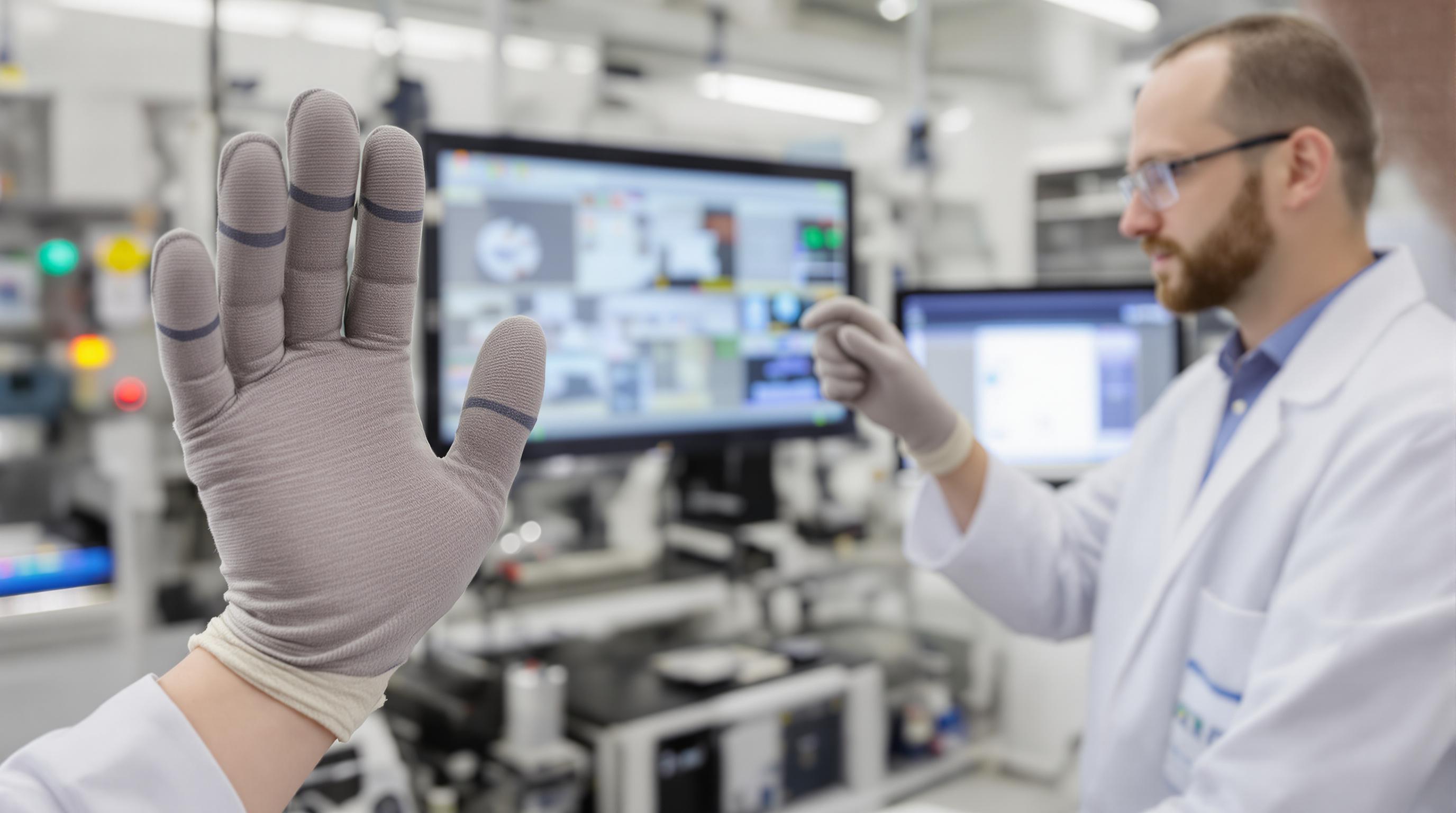
Flexibility Advancements Through Nanofibre Integration
Revolutionary nanofibre technology has made fabric more flexible but tight cut without loss of protection. These thin fibers, knitted tighter than 100 nanometers thick, form an energy-absorbing structure that vastly improves material flexibility. More than 40° higher stretch than traditional barkcloth fabrics, with no compromise in protection up to EN A6. This leap mitigates a classic tradeoff between mobility and safety—crucial for complex tasks such as glass handling and metal fabrication, where limited mobility leads to fatigue-related accidents.
Dexterity Optimization in High-Level Resistant Fabric Protection
Yarn technology has evolved in such a way that the most sensitive of touches can be felt without affecting the highest grades of protection. There is a net of 65% less finger flex resistance Thank's to our Multi-Directional Stretch Polymer combined with our Micro-Articulated knitting. With the absence of conventional liner systems, direct tool contact without rejection is also achievable, while still remaining ANSI/ISEA Level 3 compliant. These advancements eliminate the ‘clunky glove’ experience – vital for emergency responders and surgeons who need sub-second precision range of motion in life and death situations.
Thermo-Regulating Properties for Extended Resistant Fabric Usage
Mechanism of controlling heat within protective fabrics has evolved to active heat management in the form of phase changing molecules structure. Micro-encapsulated active agents in the fabric use body heat to convert moisture to dry heat, while micro-climate conditions around the body are controlled for a constant skin temperature of 31°C, creating an 'automatic' thermostat system. Field experiments revealed workers kept their core temperatures comfortable 3.2 hours longer in foundry settings compared to materials already on the market. These were an instant hit and have dramatically cut down on the number of heat-stress incidents.”reduce cut resistance, during long shifts.
Smart Resistant Fabric Systems with Embedded Hazard Sensors
The natural progression towards smart cut-resistant textiles is smart stores with integrated hazard detection. They take the form of micro-sensors which are integrated into protective layers of fabric and can continuously map environmental risks - such as chemical exposure or temperature extremes - in real time. When integrated in IoT networks, the fabric provides real-time visual or haptic warning signs for potentially harmful events. This development moves us beyond 'dumb barriers' to active defenses that significantly improve workplace safety.
Sustainability Strategies for Eco-Friendly Resistant Fabric Production
Eco-friendly, cut-resistant fabrics are 3) such textiles thanks to waste-lowering technology, which is integrated by 7) manufacturers. New approaches consist in the use of recycled polymer from ocean plastics and fibres derived from plants such as flax composites. Biodegradable products now exist with ANSI A4-A6 ratings that also meet the performance standards in the circular economy. Waterless dying techniques and solar powered factories also contribute to reducing the environmental footprint without sacrificing defense.
Global Certification Alignment for Resistant Fabric Standards
International safety standards harmonization is progressing via ISO/ANSI collaborations within regions. Harmonised A1-A9 classification systems now enable regulatory compliance from North America to Europe and the Asia-Pacific region. This discards the conflicting standards which long confused international distribution of equipment. Cross-border recognition supports manufacturers in meeting varying safety regulations with harmonized third party test procedures.
FAQ
What are some common materials used in cut resistant fabrics?
Common materials used in cut resistant fabrics include aramid fiber, UHMWPE (Ultra-high-molecular-weight polyethylene), and steel, each offering distinct properties such as chemical resistance and maximum resilience.
How have evolving safety standards impacted cut resistant fabric development?
Evolving safety standards have driven the development of new materials and protection levels, necessitating advancements like engineering grade polymers and updates from lower-rated PPE, causing shifts in industry practices and compliance challenges.
What industries can benefit from cut resistant fabric technologies?
Industries such as manufacturing, construction, healthcare, and food processing can greatly benefit from cut resistant fabric technologies due to their need for advanced safety measures against cuts and slashing hazards.
Are there sustainable options for producing cut resistant fabrics?
Yes, sustainable options exist for producing cut resistant fabrics, including recycling polymers from ocean plastics and using plant-based fibers, along with waterless dyeing techniques and solar-powered manufacturing processes.