
 EN
EN



Flame Retardant Fabric Requirements for Hazardous Industrial Settings
Regulatory Framework for Retardant Fabric Compliance
Understanding the standards By Steve Whittaker Three standards have laid the foundation for compliance of retardant fabric in terms of industry safety. Non-compliance is not an option - have you seen what the consequences can be? workplace disaster and OSHA fine that could exceed $156k per infraction (2024). There are thousands of burns a year from thermal hazards, which can be prevented with safety PPE. Proactive compliance allows companies to limit liability, infuse safety into everyday working culture, and satisfy legal requirements in oil/gas, electrical and firefighting industries.
OSHA Mandates for Fire Retardant Clothing
If you're at risk from flash fire, electric arc or combustible dust, you need flame-resistant (FR) clothing. By 29 CFR 1910.269 and 1926 Subpart V, the employer shall perform a hazard assessment to identify the required exposure or FR protection level for employees. As part of the General Duty Clause, OSHA mandates PPE, which can reduce the likelihood of serious injury, and imposes fines of up to $15,625 per violation for non-compliance. These standards focus on employers being responsible for FR clothing that would burn at a minimum level and self extinguish once the flame source is removed.
NFPA 70E Electrical Safety Requirements
NFPA 70E sets the standard for safe work practices for protection from arc flash in workplace environments. The rule calls for AR clothing that meets the minimum ATPV (Arc Thermal Performance Value) rating of 1.2 cal/cm² in Category 1 exposures, and in Category 4 exposures the required ATPV rating is 40 cal/cm². And its 2024 update requires documented risk assessments every five years and more strenuous worker training for designated flame resistant layering systems. It is important to note and to understand that non-FR synthetic wearables such as polyester are forbidden beneath AR clothing by NFPA 70E because when worn with AR clothing, they do in fact introduce melt-adhesion hazard – a significant contributor to the 30% of arc-caused injuries that AR clothing user are still experiencing (ESFI 2023).
NFPA 2112/2113 and ASTM F1506 Standards
These complementary standards govern retardant fabric performance and deployment protocols:
| Standard | Scope | Key Requirement |
|---|---|---|
| NFPA 2112 | Garment certification | ≤50% body burn chance in flash fire |
| NFPA 2113 | Workplace implementation | Hazard-specific PPE selection |
| ASTM F1506 | Material testing | <2s after-flame; non-melting fibers |
NFPA 2112 mandates char length below 4 inches post-vertical flame testing, while ASTM F1506 validates fabric durability through 100 industrial washes. NFPA 2113 operationalizes compliance by requiring written hazard assessments before FR garment procurement. Together, they ensure end-to-end conformity from manufacturing to field deployment, reducing garment-related injuries by 72% when implemented holistically (NSC 2023).
Hazard Risk Assessment Using Retardant Fabric Systems
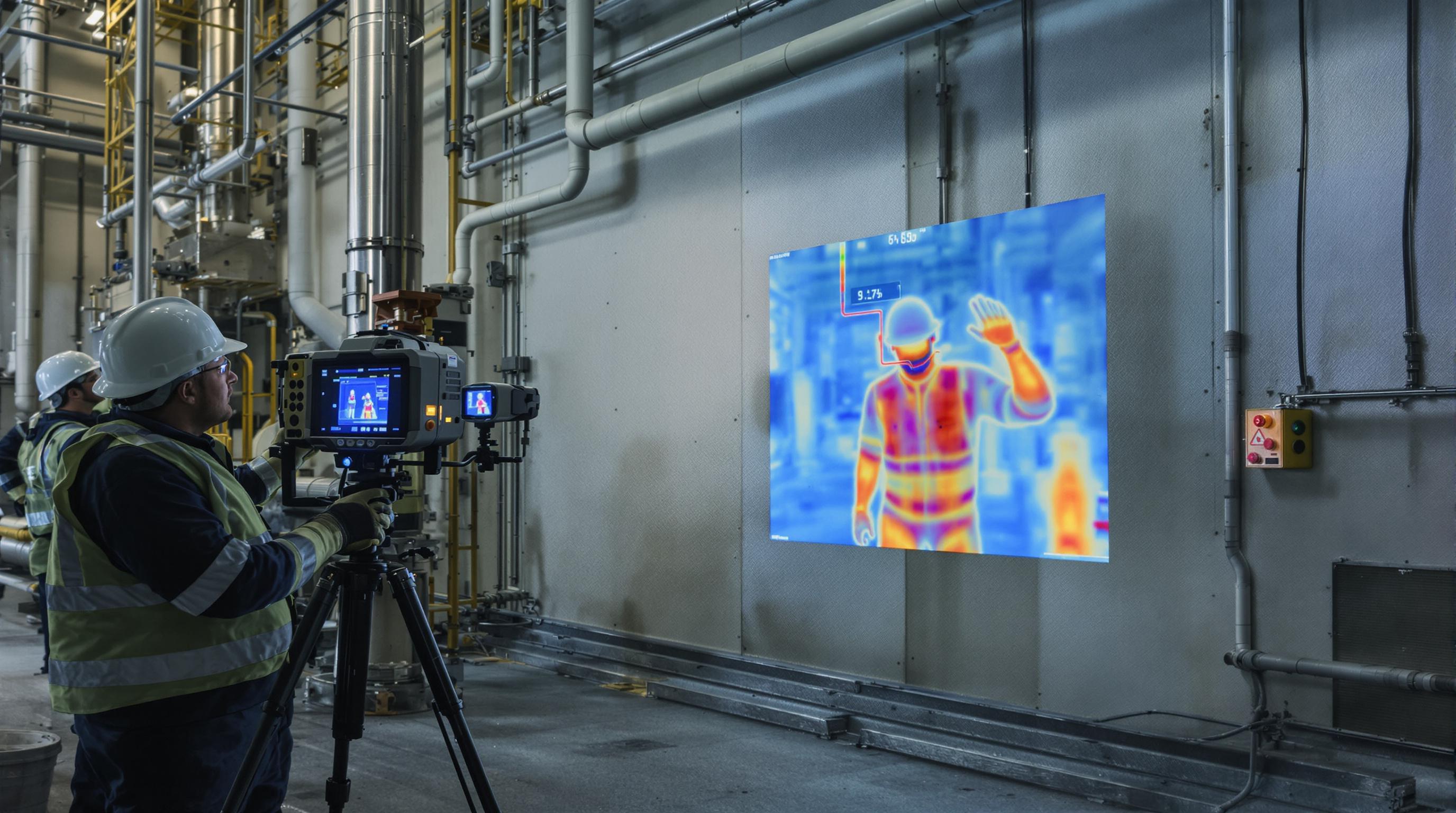
Thermal Hazard Analysis in Industrial Settings
The successful assessment of the thermal risk enables us to quantify the risk by using a directly measurable quantity, such as incident energy (J/cm²) and flash-fire exposure time. Industrial audits chart exposure zones in buildings with combustible products or in the vicinity of live electricity, determining at-risk areas—in, say, plus refinery processing units or electricity substations. Defender fabrics are the first line of defence against heat hazards where the risk of exposure to flame and molten splash exists. For top industrial safety guidelines, every three months the temperature is to be mapped through infrared cameras and prediction model, to know how the hazards are going to change.
PPE Selection Thresholds and Risk Categorization
NFPA 70E ranks electrical hazards into four Hazard Risk Categories (HRC), and ranges that align to flame resistant fabric performance. HRC 1 (4-8 cal/cm² exposure): This risk category requires clothing with fabric with a rating of over 5 cal/cm² ATPV, and HRC 4 (>40 cal/cm²) requires a multi-layer system that provides at least 100 cal/cm² protection. The selection crossover values are encoded in terms of environmental variables like the ambient temperature and chemical states.
Performance Selection Criteria for Retardant Fabric Garments
Material Properties of Protective Fabrics
The retardant fabrics are chosen by considering the fiber types, weight and the integrity of weaving. Flame resistant substances made of aramid. Products made of aramid are not chemically treated and are flame resistant by nature. Long-lasting flame protection by aramid polymers – aramid polymers do not melt in the temperature range described. High flame protection - lapco s flame resistant combat shirt not fireproof but thanks to the aramid polymer blend it is highly flame resistant! "Material density" affects thermal insulation due to heavier fabric weave being more capable of blocking heat transfer (though it may be less flexible). Key features include tensile strength (≥200 N) and reduced afterflame time (≤2 s after ignition).
Certification Marks and Compliance Validation
Third-party certification labels are non-negotiable proof of compliance. Look for NFPA 2112/2113 or ASTM F1506 markings from accredited labs like UL Solutions. These validate critical safety parameters: vertical flame resistance, thermal shrinkage thresholds (<10%), and arc rating consistency. Facilities avoiding certified garments face 73% higher OSHA penalties (2023 enforcement data).
Thermal Protection Benchmarking Metrics
Quantitative metrics objectively rank fabric performance:
- ATPV (Arc Thermal Performance Value): Measures energy blocked (cal/cm²), with ≥8 required for Hazard Risk Category 3
- EBT (Energy Breakopen Threshold): Determines when fabrics rupture under heat stress
- HRC (Hazard Risk Category): Matches garment ratings to workplace danger levels per NFPA 70E
Higher ATPV correlates to longer exposure protection but increases weight by ~25%.
Industry Paradox: Balancing Protection and Mobility
High safety standards clash with ergonomic requirements as a rule. Whereby thicker fabric is shown to decrease burn injuries by 40% (NIOSH 2024), tight clothing is a tripping hazard by impeding fast turns. Proprietary elastomer blends allow for comfortable and flexible use in added perforated zones without compromising arc-rated safety. Field data indicate that accident rates decrease 31% with a protector providing ≤15% range-of-motion reduction.
Lifecycle Durability and Maintenance Protocols
Flame resistance diminishes if fabrics endure improper cleaning. Industrial laundering must:
- Exclude chlorine bleach and fabric softeners (degrades retardants)
- Limit water temperature to ≤140°F
- Verify tear strength retention after 50+ wash cycles through ASTM D5587 testing
Scheduled inspections should replace garments showing fraying or chemical residue accumulation.
Flame Resistance Testing for Retardant Fabric Performance
Flame resistance testing validates protective textiles against extreme thermal threats through standardized combustion analysis. These protocols quantify ignition resistance, char formation, and self-extinguishing properties to predict real-world performance. Third-party verification ensures garments reliably protect wearers across industries like petrochemicals and utilities according to established safety benchmarks.
ASTM F1506 Fabric Evaluation Methodology
The ASTM F1506 specification defines all lab processes for workwear FR fabrics. Technicians test materials with a vertically oriented flame of pre-determined intensity, observing and noting measurements such as after-flame time, char length and thermal shrinkage after ignition. Weighting fabrics should meet ≤2 second after-flame times and ≤6 inch char lengths in order to be compliance certified. For these standards, you need to apply the above OSHA tables on both poles and the NFPA 70E standards are used in this case. Periodic review also retains its validity in relation to production fluctuations and the deterioration of materials.
Case Study: Textile Failure in Refinery Incident
SUMMARY Accidental burning of non-compliant workwear, resulting in severe burns, occurred in a Gulf Coast refinery during 2023 as part of a hydrocarbon vapor cloud ignition. Post-event examination identified three failures: failure of 57 percent of the fabric area (leaving skin exposed), afterflame combustion of 13 s, and complete loss of structural integrity. Chemical treatments were found to be incorrect, and quality checks missed, forensic analysis found. This prompted compulsory field audits, with 83% of incidents being halted when certified FR garments replaced inferior alternatives.
Emerging Testing Technologies for Fabric Safety
Hyperspectral Imaging is now capable of mapping thermal penetration depths in combustion at unprecedented 0.1mm resolution, while AI-driven predictive modeling can predict 10-year degradation curves from accelerated aging samples. Robotics-assisted pull tests simulate industrial movements rather than a single direction of stress and test the integrity of the seam. These methods are being integrated with traditional ASTM techniques in laboratories to address difficult-to-control hazards such as lithium battery fires and molten metal splattering.
Arc Flash Protection through Retardant Fabric Technologies

Mechanisms of Arc Flash Hazard Mitigation
Arc flash erupts with explosive force in agonizing tens of thousands of °F - hotter than the sun - vaporizing everyday metals in milliseconds. Protective materials work in three main ways: reflecting heat with aluminized coatings, absorbing energy by having a carbonized layer that converts the heat to char, and preventing conductive transfer with thermal insulation. These textiles inhibit burning and provide protection from molten metal splash by creating a critical 4-6 second air space between the heat source and the skin.
NFPA 70E Requirements for Garment Performance
Per NFPA 70E, arc-rated (AR) PPE is determined by the calculated incident energy value in cal/cm². Facilities need to perform a hazard analysis to determine Arc Flash Boundaries and to assign Hazard Risk Categories from 0-4. Clothing shall not melt, drip, or ignite after exposure. Continuing compliance is maintained by an annual risk reassessment when changes are made to the electrical system.
Strategic Layering Systems for Maximum Defense
Optimal arc flash protection combines three specialized layers:
- Outer shell: High-visibility fabrics with voltage-resistant coatings
- Mid layer: Moisture-wicking fleeces providing thermal bulk
- Base layer: Breathable lightweight knit maintaining comfort
This configuration increases the effective arc rating exponentially–single-layer 8 cal/cm² protection becomes 40+ cal/cm² when layered–while preserving mobility through ergonomic patterns and stretch panels.
Data Insight: Incident Reduction with Category 4 PPE
Operations implementing Category 4 PPE (40+ cal/cm²) report 97% fewer third-degree burns and 81% reduced hospitalization rates according to electrical safety audits. These high-performance systems demonstrate exceptional ROI–preventing one severe injury offsets 15 years of PPE investments–while reducing lost workdays by 92% in utilities sector deployments (ESFI 2023).
FAQ
What are the key standards for flame retardant fabrics?
The primary standards include OSHA regulations, NFPA 70E, NFPA 2112/2113, and ASTM F1506, which govern safety practices and fabric testing for flame retardant materials.
Why is PPE important in high-risk industries?
PPE helps prevent severe burns and injuries caused by thermal hazards or arc flashes, satisfying legal safety requirements and minimizing liability exposure.
What are the benefits of using aramid fabrics?
Aramid fabrics provide inherent flame resistance, do not melt at high temperatures, and deliver long-lasting protection, making them ideal for flame-resistant clothing.
How frequently should flame-resistant garments be replaced?
Garments should be replaced when showing signs of wear, chemical residue build-up, or after the useful life defined by manufacturer guidelines, typically after a set number of washes.
What comprises an effective multi-layer protective system?
An effective system includes an outer shell with voltage-resistant coatings, a mid-layer for thermal insulation, and a breathable base layer for comfort, maximizing arc flash protection.