
 EN
EN



Cold - resistant Fabric Solutions for Extreme Temperature Operations
Extreme Climate Challenges Demanding Cold-Resistant Fabric
Extreme cold environments present unprecedented challenges, with Arctic temperatures plunging below -40°C. Traditional textiles fail under such conditions, driving demand for cold-resistant fabrics in polar exploration, high-altitude mountaineering, and offshore energy operations—where thermal protection directly impacts survival and productivity.
Modern solutions combine multi-layered engineering with innovative technologies. Phase-change materials stabilize body temperatures during sudden weather shifts, while photothermal fabrics convert environmental energy into heat. Recent studies show adaptive textiles achieving 50°C temperature differentials without external power, redefining protection standards in frostbite-prone environments.
Material Innovation Principles in Cold-Resistant Fabric Technology
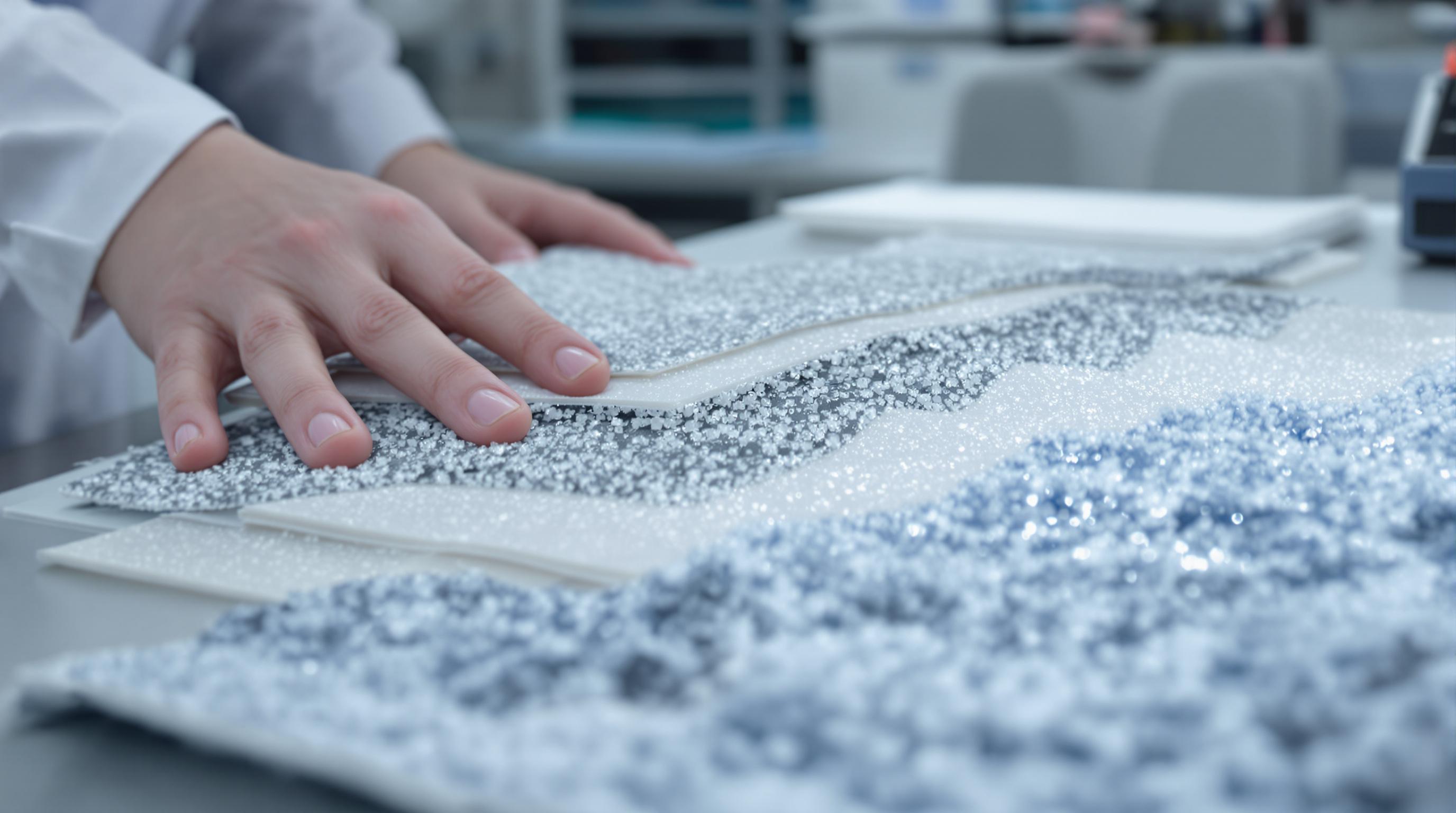
Phase-Change Materials (PCMs) for Dynamic Thermal Regulation
PCMs absorb, store, and release thermal energy during phase transitions, maintaining consistent microclimates. Encapsulated in fibers, they melt at -20°C (-4°F) to absorb heat and solidify below -30°C (-22°F) to release warmth. Field tests demonstrate PCM-enhanced garments extend operational comfort by 45% compared to traditional insulation.
Aerogel Integration for Ultra-Efficient Insulation
Aerogels—nanoporous solids with 99% air content—achieve thermal conductivity of just 0.015 W/mK, outperforming conventional foams by 300%. Modern fiber-reinforced variants withstand 50,000 flexion cycles without insulation loss, enabling use in expedition parkas rated for -60°C (-76°F).
Thermo-Responsive Polymers and Temperature Adaptation
Smart polymers expand by 8–12% at -10°C (14°F) to create insulating air pockets, then contract as temperatures rise. Antarctic field data confirms a 35% reduction in metabolic heat loss with polymer-layered base garments.
Photothermal Systems Converting Light into Heat
Photothermal textiles convert 92% of sunlight into thermal energy, spiking surface temperatures by +30°C (+54°F) within 90 seconds. This passive heating sustains 75% efficiency at -45°C (-49°F), eliminating battery dependence in low-light winter conditions.
Proven Applications of Cold-Resistant Fabric in Arctic Operations
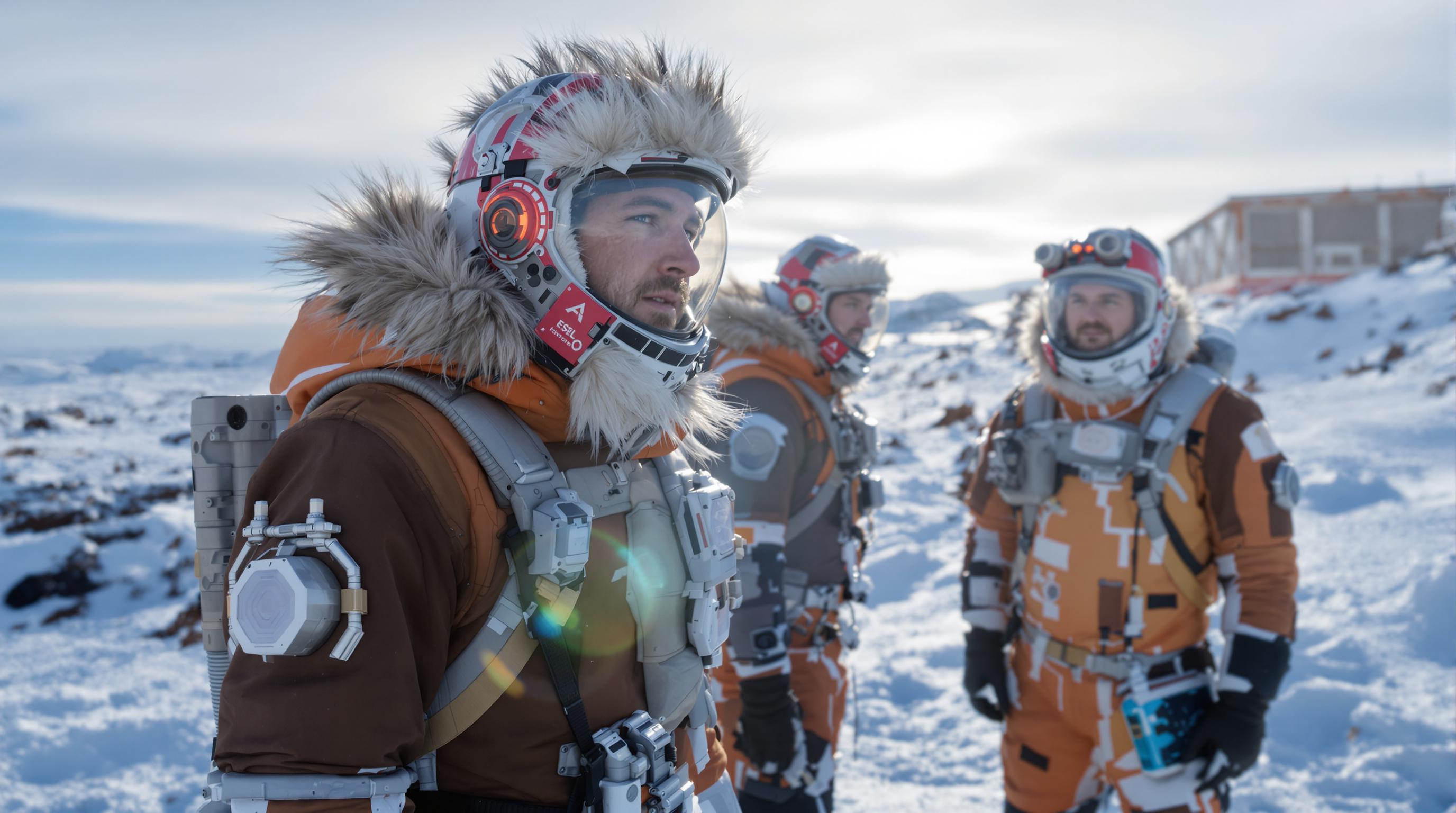
Winter Sports Gear Performance Enhancements
Advanced fabrics like photothermal polymers enable ski jackets to passively generate 30°C of heat through sunlight conversion. This innovation reduces bulk while maintaining flexibility, with studies showing 17% faster pivot turns in alpine racing suits. Stretchable aerogel-insulated layers in snowboard gear achieve 92% thermal retention after 25 washes without sacrificing moisture-wicking performance.
Life-Saving Expedition Suits for Polar Exploration
Modern Arctic survival suits integrate:
- Carbon nanotube-reinforced outer shells resistant to ice abrasion
- PCM mid-layers storing body heat during inactivity
- Aerogel matrices blocking convective heat loss
- Electrothermal grids for emergency hypothermia risks
A 2023 Antarctic report documented 34% fewer cold-related injuries in teams using sensor-embedded suits, with prototypes sustaining operational viability for 72-hour continuous exposure.
Emerging Smart Fabric Trends Transforming Cold Resistance
Multi-Functional Textiles Integrating Sensor Technologies
Fabrics woven with microsensors achieve 70% greater thermal retention by dynamically adjusting insulation based on body temperature. Conductive yarns transmit data to external devices, enabling precise heating zone adjustments while maintaining breathability.
Industry Paradox: Balancing Extreme Protection and Mobility
Engineers are tackling the insulation-mobility trade-off. Recent prototypes using graphene-enhanced membranes and shape-memory alloys meet EN 342:2017 standards with 40% less bulk, improving dexterity by 27% in Arctic field tests.
Selection Strategy for Industrial-Grade Cold-Resistant Fabric
Industrial operators must evaluate six factors: thermal performance, moisture management, weight, mobility, maintenance, and lifecycle costs.
Durability and Maintenance Factors in Harsh Environments
Three-layer laminates show 40% greater abrasion resistance than traditional weaves. Proper cleaning is critical—improper methods can reduce hydrophobic treatments' effectiveness by 70% within 20 washes.
Implementing Layered Systems for Optimal Thermal Management
Strategic layering combines moisture-wicking base layers, insulating mid-layers, and windproof shells. Field tests show layered systems improve heat retention by 35% compared to single-material approaches, especially when pairing 150 g/m² PCM fabrics with 5mm aerogel composites.
FAQ Section
What are Phase-Change Materials (PCMs)?
PCMs are materials that absorb, store, and release thermal energy during phase transitions, maintaining consistent microclimates in extreme conditions.
How do photothermal textiles work in cold-resistant fabrics?
Photothermal textiles convert sunlight into thermal energy, significantly increasing surface temperatures and providing passive heating without battery dependency.
Why is aerogel used in cold-resistant fabric technology?
Aerogel is used due to its ultra-efficient insulation properties, being lightweight and capable of maintaining thermal conductivity at low levels.