
 EN
EN


How Bite Resistant Fabrics Are Protecting Workers in Dangerous Environments
Understanding Bite Resistant Fabrics and Their Importance
Fabrics designed to resist bites are made with special materials and construction methods that stop teeth and claws from getting through. Many of these protective fabrics contain something called Ultra High Molecular Weight Polyethylene, or UHMWPE for short. This stuff is super strong and lasts forever, making it ideal for防护 applications. Manufacturers weave or knit these fibers really tightly so nothing can puncture them, which means workers handling aggressive animals stay safe on the job site. The tight weave creates a barrier that stops injuries before they happen, especially important when dealing with wild or stressed creatures.
Bite resistant fabrics offer much more than just bite protection when it comes to their actual performance on the job. How long these materials last matters a lot too. Workers often find themselves in tough conditions where regular clothing would fall apart after only a few uses. That's why durability stands out as such an essential quality. Then there's flexibility something that shouldn't get lost in all the technical specs. People wearing this gear still need to bend, twist, and reach around obstacles while doing their work. Firefighters, paramedics, and other first responders rely heavily on being able to move freely without restriction. And let's not forget comfort either. No matter how good the material is, nobody wants to wear something that feels like it's constantly digging into them or limiting movement. If workers start avoiding the gear because it's uncomfortable, then all those safety benefits go right out the window.
Bite resistant fabrics offer real advantages, especially where there's a higher chance of getting bitten, think mental health facilities or schools for students with special needs. Workers stay safer when wearing these materials since they cut down on serious injuries from bites. This means fewer chances of infections spreading diseases like Hepatitis B or C. Staff members feel better knowing they have protection against potential bites during their daily work routines. Beyond individual safety, these fabrics actually help improve workplace safety records across different sectors, making them an important consideration for any organization looking to protect both employees and maintain good safety stats.
Applications of Bite Resistant Fabrics
Fabrics that resist bites are pretty important in hospitals and nursing homes for protecting medical staff. Doctors and nurses deal with all sorts of difficult situations sometimes, especially when patients get aggressive or confused. These special fabrics can make a big difference for healthcare workers who might otherwise get bitten during stressful moments. The protection helps prevent injuries and reduces the risk of getting infected from someone else's blood or saliva. Most facilities have started incorporating this kind of gear into their standard uniforms now. It lets the medical team focus on treating patients without constantly worrying about personal safety issues in chaotic emergency rooms or psychiatric units.
Bite resistant materials have become really important in mental health facilities lately. Staff working there deal daily with patients who sometimes display erratic behavior or struggle with severe emotions, which can lead to unexpected incidents. These special fabrics act as protection against bites and scratches when things get tense. Mental health workers appreciate this safety layer because it means they can focus on providing care rather than worrying about getting hurt during challenging interactions. Facilities that invest in such protective gear report fewer workplace injuries and staff generally feel more secure doing their jobs.
For teachers working with kids who have special needs, bite resistant fabrics make all the difference. Many educators deal daily with students experiencing sudden emotional meltdowns that sometimes result in accidental biting or scratching. Clothing designed to withstand such incidents helps keep both staff and students safe during these challenging moments. Schools need to maintain a supportive environment despite these risks, and these protective materials offer real protection without getting in the way of teaching. Some teachers report feeling much more at ease knowing they're wearing gear that can handle unexpected behavior while still looking professional enough for classroom settings.
How Bite Resistant Fabrics Protect Workers in Various Settings
Fabrics that resist bites can cut down on injuries for people in all sorts of jobs. Workplace stats actually back this up we see fewer injuries happening once companies start using protective gear. Take mental health facilities for instance researchers found around 15 percent fewer bite incidents when staff wore these special fabrics. Makes sense really, since workers dealing with aggressive patients need extra protection. These materials aren't just fancy marketing stuff they make a real difference in keeping employees safe from unexpected attacks during their shifts.
Beyond just keeping workers safe from physical dangers, these materials actually boost how confident people feel about showing up for work each day. Workers who trust their gear tend to be happier overall, which makes them more productive throughout their shifts. They stop worrying so much about getting hurt while doing their jobs, and this peace of mind translates into better job satisfaction across the board. When someone isn't constantly thinking about potential accidents, they can put more energy into what needs to get done.
Following safety standards matters a lot for protective clothing, especially since bite resistant fabrics need to pass strict tests like those from ANSI/ISEA. These standards basically check if the gear actually works against what it's supposed to protect against, making sure companies can include them properly in their workplace safety plans. When businesses stick to these rules, they keep employees safe first and foremost. But there's another benefit too companies build real trust over time because workers know management takes their wellbeing seriously. That kind of reputation sticks around long after the initial purchase.
Case Studies: Effectiveness of Bite Resistant Fabrics
Fabrics that resist biting have worked really well across different healthcare environments, cutting down on injuries and infections quite a bit. Take this mental health center in Manchester as an example they started using these materials last year and saw almost half the number of bite incidents compared to before. Staff now wear special uniforms made from this stuff and even the bed linens are treated too. The protection helps prevent those nasty human bites which can spread serious diseases like hepatitis B or HIV. After seeing real results like this, it's clear why more hospitals are investing in bite resistant materials to keep their workers safer on the job day after day.
Staff working in hospitals and clinics report good experiences with bite resistant fabrics, mostly because they work well and don't feel uncomfortable during long shifts. A nurse from St. Mary's Hospital shared recently that wearing this kind of protective clothing actually makes them feel safer at work, especially when dealing with patients who might become aggressive. For many caregivers, the biggest benefit is simply knowing they're protected, so they can concentrate on treating patients rather than constantly worrying about getting bitten. Looking across all the feedback collected, it seems clear that these special fabrics do more than just protect against bites they also contribute to better mental health among medical personnel who wear them regularly.
Highlighted Product: Dog Pet Fabric Bite Resistant UHMWPE Fabric
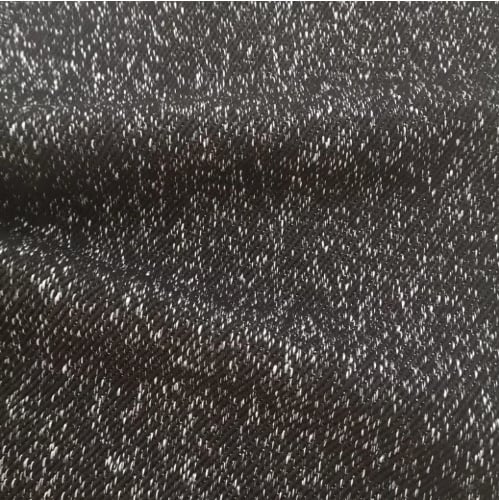
Owners of big dogs know all too well how frustrating it can be when regular fabrics just won't hold up against those powerful jaws. Most standard materials simply give way after repeated chewing sessions, which means constantly replacing damaged items and spending extra money on new ones. The solution comes in the form of our Dog Pet Fabric made from ultra high molecular weight polyethylene fibers. These special fibers create something really tough stuff that resists tearing even when subjected to intense gnawing. That's why many pet product manufacturers are turning to this material for making durable chew toys that actually last through multiple play sessions without falling apart.
What makes this fabric so great is how tough it really is. Even big dogs can gnaw on stuff made from it all day long without tearing or wearing down. Plus, cleaning is super simple since the material just wipes clean or goes right in the washing machine. And guess what? It actually fights off bacteria growth too. That means toys and all sorts of dog products crafted from this stuff last way longer than regular materials. Best part? Dogs get to play with things that stay cleaner for longer periods, which translates into fewer replacements for owners and happier pups overall.
FAQ Section
What are bite resistant fabrics?
Bite resistant fabrics are materials engineered to prevent penetration by teeth or nails, commonly using fibers like UHMWPE.
Where are bite resistant fabrics commonly used?
They are used in healthcare, mental health, and educational settings, offering protection to professionals from potential biting incidents.
What are the benefits of using bite resistant fabrics?
These fabrics enhance safety, reduce injury risks, ensure compliance with safety standards, and improve worker confidence and morale.
Are there specific products made from bite resistant fabrics for pets?
Yes, products like the Dog Pet Fabric Bite Resistant UHMWPE Fabric are crafted to withstand the biting force of large dogs.