
 EN
EN



Cut Resistant Fabric Sourcing Tips for High-Speed Packaging Plants
Why Cut Resistant Fabric Is Critical in High-Speed Packaging Environments
Role of Cut Resistant Fabric in Enhancing Worker Safety and Reducing Labor Costs
Workers in fast paced packaging facilities spend anywhere from eight to twelve hours a day dealing with dangerous equipment like sharp blades, moving conveyors, and automated cutting machines. The right protective gear makes all the difference. Studies show that cut resistant clothing cuts down on lacerations by around 72% when compared to regular work clothes according to ANSI/ISEA standards from 2023. This means fewer workers compensation claims and less money spent on overtime pay because someone got hurt and had to take time off. Take one plant in the Midwest as an example they saw their safety incident rate drop by nearly half after switching to Level 5 rated sleeves and gloves. The investment paid for itself pretty quickly too, within just eleven months thanks to savings on medical leave costs alone.
Supporting Innovation in Packaging Automation and Material Handling
Today's automated production lines running over 120 cycles each minute need protective materials strong enough to handle constant rubbing against robotic arms and moving parts in material handling systems. The latest high performance polyethylene mixtures work really well with those pick and place machine sensors found on most modern assembly lines. These new materials have done away with many of the safety issues that used to come from wearing out thick protective gear. Factory tests show these improvements actually boost line speeds by around 18% during pharmaceutical packaging runs. Even better, they still meet all requirements for ISO 13997 cut protection standards, so manufacturers don't have to sacrifice safety for speed gains.
Testing and Evaluating Fabric Durability for High-Speed Line Demands
When we run continuous abrasion tests that simulate about 200 hours of actual production time, there are really noticeable differences in how materials perform. The ones that meet the new ASTM F2992-23 standards hold onto around 90% of their original tensile strength even after going through 25,000 cycles of abrasion. That's pretty impressive when compared to regular aramid blends which only manage about 63%. Smart manufacturing plants have started installing these inline fabric thickness monitoring systems so they can replace personal protective equipment well before it starts to wear down and become unsafe. This proactive approach has actually cut down on unexpected downtime by nearly 30% in food packaging facilities across the country.
Key Performance Metrics for Effective Cut Resistant Fabric
Tensile Strength and Abrasion Resistance Standards in Continuous Operations
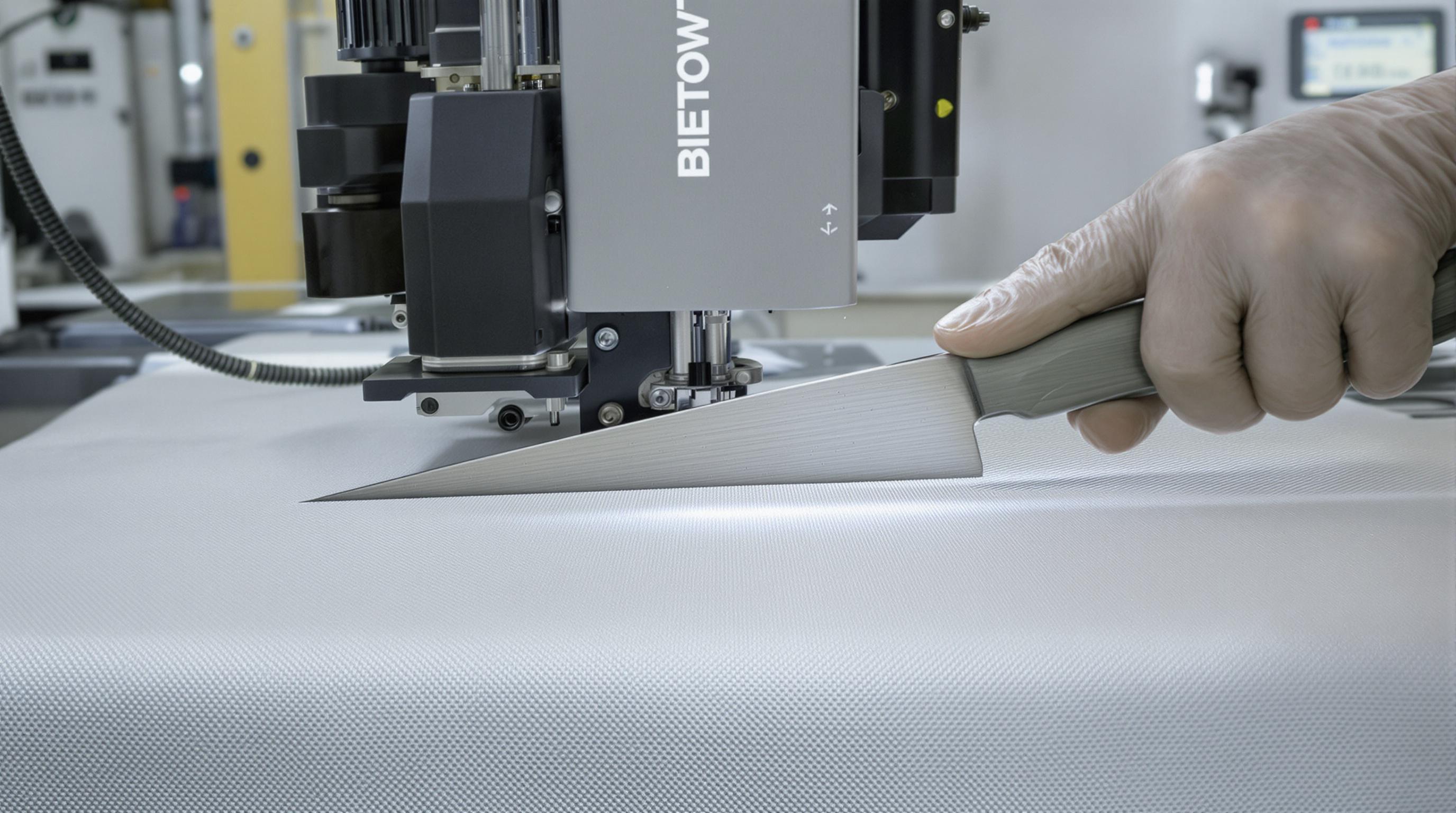
For fabrics designed to resist cuts, they need to pass pretty tough tests when it comes to how much tension they can handle before breaking down under constant stress from fast moving parts. There's this industry standard called ANSI/ISEA 2016 that sorts out cut resistant materials into nine different categories from A1 all the way up to A9. They figure this out through something called the ASTM F2992-15 test where basically they spin a blade against the fabric until it goes through, then measure exactly how much force was needed for that penetration. Fabrics that score between A6 and A9 are really strong stuff with tensile strength over 3500 Newtons. That kind of power means workers handling heavy machinery won't have their gear torn apart by accidental snags or direct contact with sharp blades during normal operations.
Abrasion resistance is equally vital, with EN 388:2016 certifying performance across six levels (0–5). Fabrics scoring Level 3 or higher reduce glove replacements by 60% in 24/7 operations.
| Standard | Metric | Top-Performing Threshold | Impact on Downtime |
|---|---|---|---|
| ANSI/ISEA 2016 | Blade Cut Resistance | A7–A9 | 35–40% reduction |
| EN 388:2016 | Abrasion Resistance | Level 3–4 | 25–30% reduction |
Proven Reduction in Downtime—Up to 40% with High-Performance Fabrics
Factories that switch to fabrics certified under both ANSI A7 standards and EN 388 Level 4 see around 40% less downtime each year from unexpected breakdowns. Take materials made from para aramid fibers woven with stainless steel mesh for instance these can handle well over 12 thousand abrasion tests before showing wear and tear. That means products last anywhere from six to eight months even when exposed to constant friction on equipment such as rotating conveyor belts. The extra toughness translates into real money saved across maintenance crews spending less time fixing things and warehouses needing to restock protective gear so frequently.
Best Practices for Sourcing Reliable Cut Resistant Fabric Suppliers
Ensuring Compliance with OSHA and ANSI Certification Standards
When looking at suppliers, focus on those offering fabrics that comply with OSHA 1910.138 standards for hand protection as well as meeting the ANSI/ISEA 105-2020 cut resistance ratings ranging from A1 to A9. For workers in fast paced packaging operations where speed matters most, fabrics rated A3 through A5 tend to strike the right balance between keeping hands safe and allowing enough flexibility to get the job done quickly. Getting third party certification from organizations like UL or SATRA is important too since these tests actually check how materials hold up during constant movement. This becomes critical when operators are moving at speeds exceeding 300 items per minute throughout their shifts.
Comparing Global vs. Domestic Suppliers: Quality, Lead Times, and Consistency
Most domestic suppliers can deliver within 4 to 6 weeks, while overseas vendors generally take around 12 weeks or more. This makes a big difference when trying to keep up with PPE needs in ongoing operations. Looking at the numbers from recent textile industry reports, companies overseas tend to cut costs by about 18% for large orders over 10,000 units. Still worth checking though. When looking at quality control, it pays to review supplier defect rates. The best ones usually stay under 0.8 percent failures during tensile strength tests. That kind of performance matters a lot for maintaining product standards across different production runs.
Evaluating Supplier Capabilities for Just-in-Time Delivery in High-Volume Plants
Suppliers should demonstrate:
- Real-time inventory tracking integrated with your ERP systems
- Regional distribution hubs within 200 miles of your facility
- On-time delivery rates of 98% or higher for emergency PPE orders
For 24/7 operations, verify contingency plans for raw material shortages by confirming supplier partnerships with multiple polymer and fiber producers.
Case Study: Midwest Packaging Plant Cuts Glove Replacement Costs by 60%
A Midwestern facility reduced annual glove expenditures from $74,000 to $29,600 after switching to A4-rated fabrics with enhanced abrasion resistance. The supplier’s predictive replacement program—using RFID-tagged gloves—reduced unplanned downtime by 210 hours per year. Post-implementation audits revealed an 85% drop in hand-related incidents, supporting the plant’s 2025 zero-accident goal.
Integrating Cut Resistant Fabric into Plant Safety and Operational Protocols
Aligning New Fabric Solutions with Existing PPE Programs and Training
Optimal integration occurs when cut resistant fabrics are incorporated into current PPE systems. A 2023 OSHA compliance audit found that facilities using ANSI/ISEA 105-2020-certified fabrics in gloves and sleeves reduced training redundancy by 38% compared to standalone solutions. Familiarity with existing protocols accelerates adoption while maintaining regulatory compliance.
Measuring Post-Implementation Impact on Worker Injury Rates
Looking at data across twelve automotive packaging facilities, there was about a 52 percent drop in laceration cases just six months after introducing Level 5 cut resistant sleeves. Plants that implemented IoT tracking systems started connecting fabric wear indicators like how many times materials get abraded and what kind of tears develop with their almost accident reports. This helped them figure out when to replace gear before problems happen. The whole feedback loop approach cuts down on avoidable workplace injuries by nearly 30% each year while also making protective equipment last longer than usual.
Balancing Protection and Dexterity in High-Precision Packaging Tasks
New knitting methods can actually provide around 400 grams of cut resistance while keeping fabric weight below 8 ounces per square yard, which makes all the difference for jobs needing really fine control down to half a millimeter. We've seen some interesting results from tests at pill bottle assembly lines where staff kept almost perfect packaging rates at 98% accuracy after switching from those bulky 12 layer Kevlar gloves to these lighter composite materials. What's great about this technology is how it manages both safety and flexibility, letting workers bend their wrists fully without restriction. This kind of freedom matches what the ergonomics experts recommend in their ISO 13407 guidelines for work environments designed with people in mind.
Future Trends in Cut Resistant Fabric for Sustainable and Smart Packaging

Smart Fabrics with Embedded Sensors for Real-Time Wear and Risk Monitoring
Cut resistant fabrics are getting smarter with the latest generation integrating IoT sensor tech right into the protective material itself. These advanced systems track everything from how hands move to potential environmental dangers and even when the fabric starts to wear down. Recent tests in 2024 showed pretty impressive results too. Workers experienced about half as many cuts as before, and their gloves lasted nearly 40% longer thanks to early warning alerts that let them know when maintenance was needed. This kind of proactive approach makes all the difference in workplace safety.
Eco-Friendly Cut Resistant Materials Supporting Sustainable Packaging Goals
The field of material science is seeing some pretty big changes thanks to sustainable innovations. Suppliers these days can actually meet ANSI A9 standards while working with biodegradable plastics and secondhand fabrics. Looking at what's happening in the industry right now, around two thirds of packaging facilities seem to favor suppliers who have proper green certifications. There's another interesting development too many manufacturers are switching to dyeing techniques that don't require water at all. This switch cuts down on carbon dioxide emissions during production by roughly a third when compared with traditional approaches. The environmental benefits are clear but companies also find it makes good business sense in the long run.
Market Outlook: 15% CAGR in Advanced Protective Textiles Through 2030 (Grand View Research)
The market for smart, eco-friendly cut resistant fabrics looks set to expand by around 15% each year until 2030, and interestingly enough, almost half (about 43%) of this growth comes from automated packaging operations adopting these materials. Why? Well, companies are facing tougher safety regulations under ISO 13489-2 standards while also trying to meet their carbon reduction goals. We're seeing something pretty significant happening in the industry too. These hybrid materials that mix ultra high molecular weight polyethylene fibers with natural plant coatings are grabbing attention fast. They already make up roughly two thirds of all new contracts for industrial gloves. This trend shows workers want protection that doesn't cost the earth literally speaking, as they balance job site safety requirements with sustainability concerns across manufacturing sectors.
FAQ
What are the benefits of using cut resistant fabric in packaging environments?
Using cut resistant fabric in packaging environments significantly reduces worker injuries, decreases workers' compensation claims, and lowers labor costs through enhanced protection against sharp tools and machinery.
How effective is cut resistant fabric in reducing downtime?
High-performance cut resistant fabrics reduce downtime by up to 40% by minimizing unexpected equipment breakdowns and extending the lifespan of protective gear.
What standards should suppliers of cut resistant fabrics meet?
Suppliers should comply with OSHA 1910.138 standards for hand protection and ANSI/ISEA 105-2020 cut resistance ratings. Third-party certifications, such as from UL or SATRA, are also essential for verifying material integrity under constant movement.