
 EN
EN


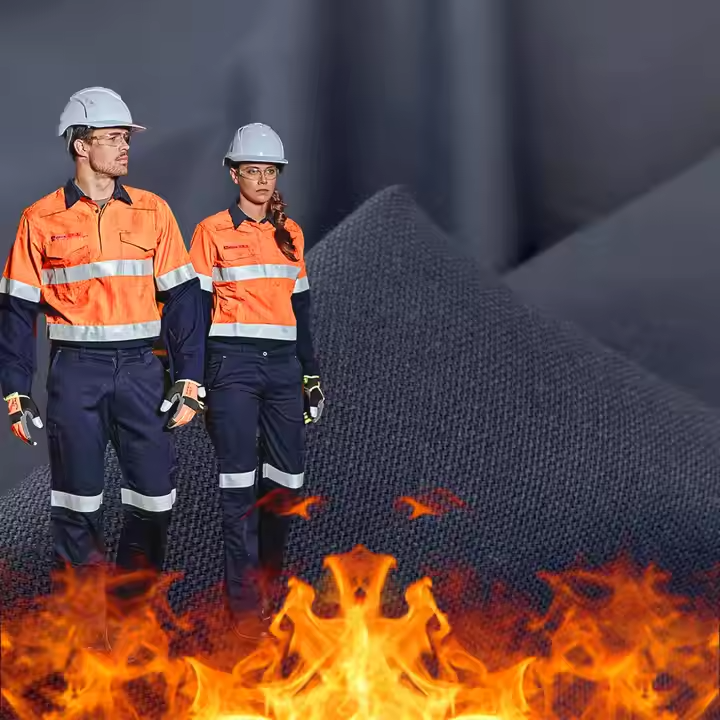
When it comes to heavy-duty workwear, safety is everything. Threats abound for workers in sectors such as construction, manufacturing and mining. One of the primary dangers is cutting yourself on a sharp object or rough surface. That’s where abrasion-resistant fabrics comes in. These fabrics shield workers from cuts, scrapes and other hazards. At Nize we seek to develop workwear that lasts, and insures safety for workers. We can make clothes last longer and protect workers in harsh environments by using abrasion-resistant materials.
How Abrasion-Resistant Fabrics Improve Safety in Heavy-Duty Workwear
Abrasion-resistant fabrics are designed to combat wear and tear. They are durable and have the strength to cope in tough conditions without ripping, or wearing easily. This is significant because many jobs require employees to be in close proximity of sharp tools, heavy equipment or coarse surfaces. If their clothes are ripped, it can leave them exposed to the elements. For instance, a construction laborer with a jackhammer could inadvertently rub against an abrasive wall. Without pants of abrasion-resistant material, they could easily be cut. Conversely, if they are wearing workwear from Nize, the fabric can protect against injuries by not tearing apart. Such an added layer of protection may provide workers with a sense of security, which in turn will allow them focus on the job at hand without fear for their safety.
And, these fabrics are typically treated to resist dirt and oil which is synonymous with staying cleaner longer. A cleaner uniform not only looks more professional, but it also can help workers spot any new tears or damage that could create a safety issue. Picture a mechanic tinkering with an engine, for instance. If they work with oil and get it on their pants, for example, they could miss a small tear that might rip further. Through abrasion-resistant textiles, the fabric can remain strong, and help keep workers safe for longer.
What Makes It Important To Invest In Abrasion Resistant Fabrics For Industrial Safety?
For use in the workplace, cut resistant fabrics are a must as they provide protection for your hands, and are highly durable and trustworthy. Those materials are frequently woven together with magical fibers that are more robust than an average fabric. For example, nylon or polyester (both of which are strong) may be used in some abrasive-resistant fabrics. This means that employees who wear materials constructed from these types of fabric are less likely to receive injuries in the form of abrasions.
Plus, the technology behind these textiles is getting better and better. Nize and other companies are continually seeking to make workwear even safer. This also involves adding additional layers of protection, or using coatings that can assist the fabric in resisting wear even more. A case in point is double stitching, which is stronger than single stitching. So if a worker does catch their clothes on something sharp, the fabric is less likely to tear all the way through.
And ultimately, workers are more focused when they know their apparel is made to keep them safe. This confidence makes them better at their jobs. They are also less constrained in their movement and can concentrate more easily on performing certain tasks, which means fewer accidents while working. Workers are happier and more productive when they feel safe. It’s why we, here at Nize, believe that using abrasion resistant fabrics are more than simply making durable working clothing; it is a way to offer every worker within tough work environments an overall better safety and well-being.
The Way Abrasion Resistance Textiles Combat Workplace Injuries
Workers in strenuous jobs are regularly exposed to numerous risks. They are threatened most by rough surfaces and sharp objects. They can easily rip through clothing and injure workers. When a worker’s clothes get stuck or are damaged, it can lead to cuts and scrapes. That’s where abrasion-resistant fabrics come in. These specially woven textiles are designed for durability. They're durable, and they can handle rough conditions without being easily damaged. If, for instance, a labourer is working on a construction site where sharp tools and abrasive materials are being used, clothing consisting of resistant fabric helps to keep them safe. That translates to fewer injuries and safer working conditions. The support from companies like Nize have been working to help ensure their workers are safe and healthy. Safe workers can concentrate on their work and do a good job at that. Injuries are spent less time on and work more. It is also to the company’s benefit; that way it can save money on medical bills and from lost work time. Altogether, deploying abrasion-resistant fabrics for heavy KPU workwear is an intelligent strategy that ultimately protects wearers and keeps them safe.
Abrasion Resistance Explained
Well then, what does that mean exactly, abrasion resistance? It is a way of measuring how well a material resists wear when rubbed against rough surfaces. Now picture rubbing your hand over a jagged rock. It is touch and go whether it will scratch if your skin is ripe. But if you’re wearing gloves the material is so tough it keeps your hands in check. Textiles that are resistant to abrasion do the same thing. They are man-made with the help of special fibers that are strong and long-lasting. These materials can withstand a lot of rubbing and scratching without showing any wear. This is especially important for workers involved with that kind of work in construction, mining and manufacturing. They tend to have jobs that require lifting heavy items or working around sharp tools. Their attire shouldn’t burst; then they can be wounded. Nize specializes in these tough fabrics, crafting garments for the job site. In doing so, they help workers protect themselves while working. The heavier the fabric, the more protection it offers. That way, workers won’t worry about ruining their clothes. So in summary, abrasion resistance is a very important characteristic that makes waterproof workwear fabric more safer and durable.
The Best Way to Keep Your Heavy-Duty Apparel Safe with Abrasion Resistant Materials
There are a number of things that can be done to get the most safety out of abrasion-resistant materials including making sure you have the right types of clothing, and caring for it correctly. First, workers need to choose clothes that are actually made for the job. For instance, a welder might require specific jackets that are not only tear-resistant but also shield them from sparks and heat. Likewise, a construction worker may need some pants that can take wear and have pockets for tools. Nize has a selection of heavy-duty clothing that caters for various forms of work and needs.
Once you’ve figured out what to wear, it becomes most important to care for your clothes. If you properly wash and condition these clothes, they will be durable and effective. Workers should adhere to the care instructions on the label. This likely includes cold washing, no bleach, and hang dry whenever possible. When employees take care of their workwear it lasts longer and will help protect them, as the abrasion-resistant characteristics last longer.
Knowing when to replace cushions: Another helpful tip is to routinely inspect for signs of wear and tear. Once a worker’s clothing begins to display its wear and tear or has worn through, it is time to replace. Cloth can not act as a guard to this extent or wearing out it injure him. Finally, teaching workers the value of using the proper gear is also key. It promotes a safer working environment when everyone knows how to keep themselves as safe as possible using abrasion-resistant materials. With Nize's quality and safety commitment, workers can trust they will be safe on the job.
Table of Contents
- How Abrasion-Resistant Fabrics Improve Safety in Heavy-Duty Workwear
- What Makes It Important To Invest In Abrasion Resistant Fabrics For Industrial Safety?
- The Way Abrasion Resistance Textiles Combat Workplace Injuries
- Abrasion Resistance Explained
- The Best Way to Keep Your Heavy-Duty Apparel Safe with Abrasion Resistant Materials